Choosing software
Constructability review software
Constructability review software helps a general contractor find problems in the drawings before work starts. Here is what it is and how Struxen does it.
How errors and omissions in construction drawings reach the field, what it costs when they are found late, and how Struxen is made to find those problems.
Errors and omissions in a drawing set are the problems that are already on paper when the set is issued, and that a general contractor will pay for if they are first found in the field. The work of catching them belongs in the review, before you build.
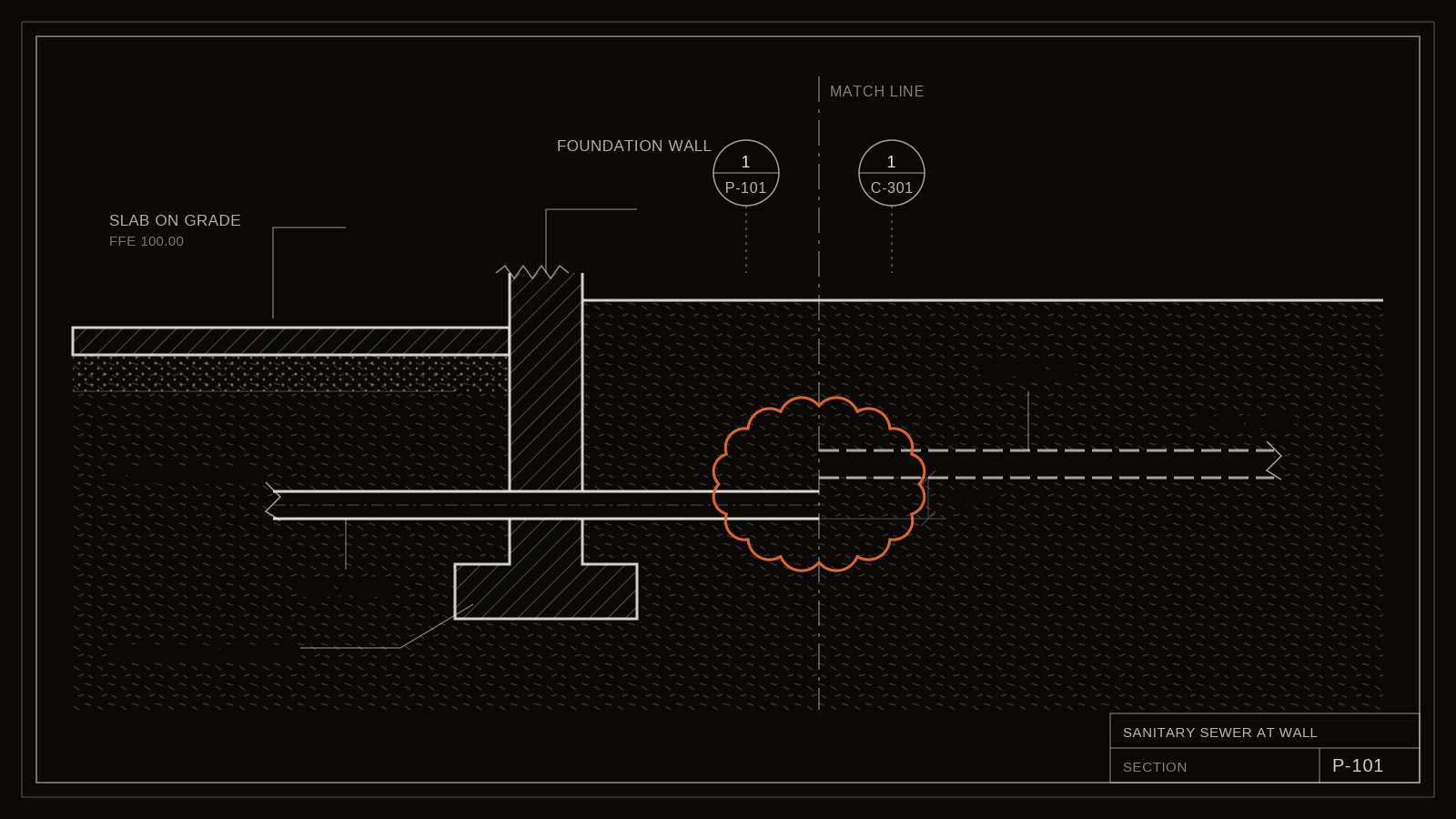
An error might be a duct that cannot carry the air assigned to it, or a sewer leaving the building at one invert while civil picks it up at another. An omission might be a missing detail, a drain that was never drawn, or a gymnasium that has no humidity control even though nothing on the sheets conflicts.
This page is about how those problems hide in a set, and how Struxen is made to help.
They are often ordinary. A tag on a plan that does not match the schedule. A circuit that does not match the equipment it feeds. Condensate drawn to a drain that is not there. A unit with no path to set it or service it. Heat trace shown on one sheet and never continued to a power source.
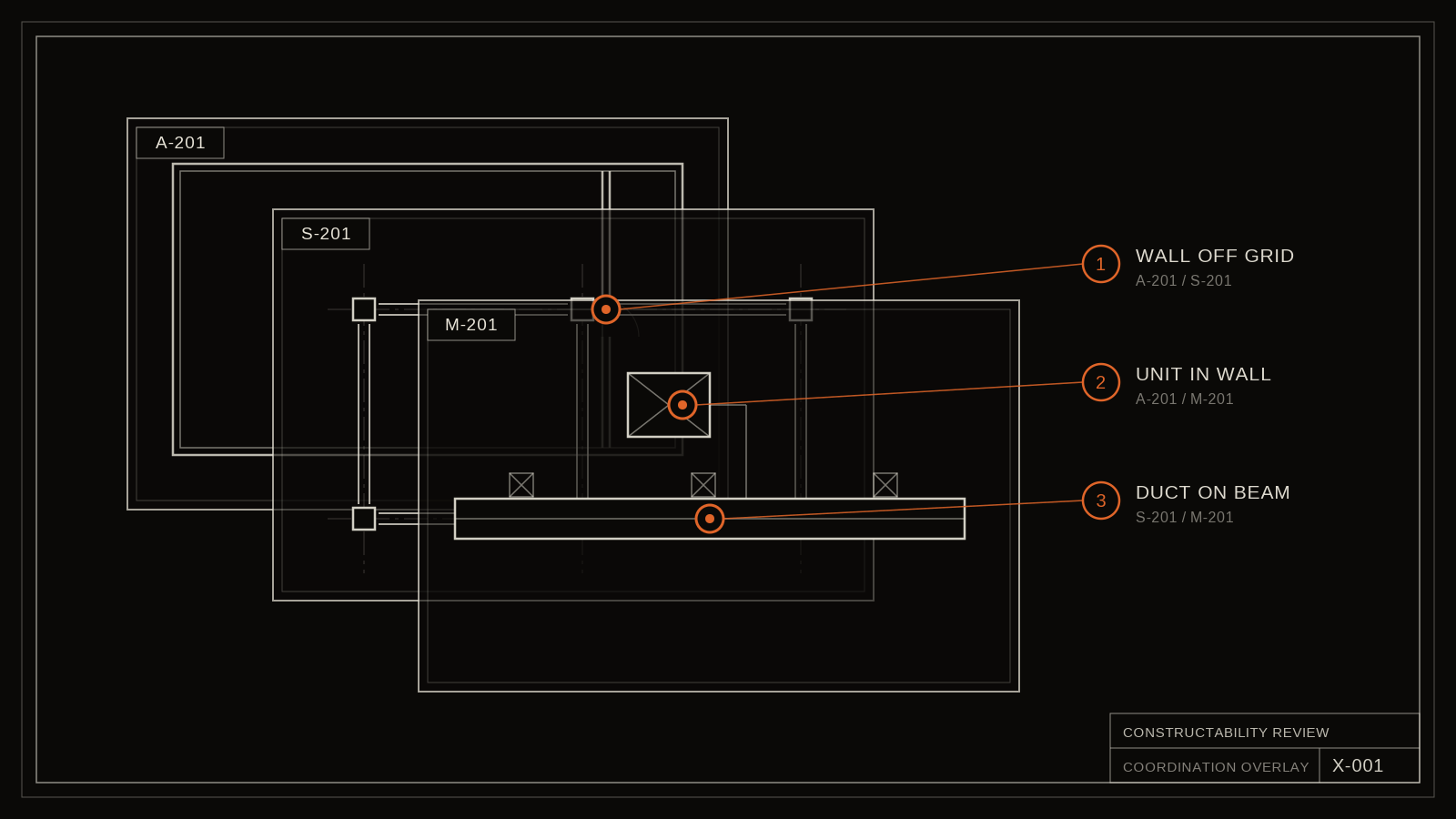
They are also the conditions that only appear when you read two sheets together. Plumbing has the sewer leaving at one invert. Civil picked it up at a different one. Each sheet can look finished on its own.
And they are the conditions that are not a disagreement at all. The homepage example of a gymnasium with no humidity control is this kind of miss: nothing on the sheets conflicted, and the room still needed reheat. A review that only looks for clashes will walk past it.
A commercial set is large. The architectural, structural, and MEP drawings are often produced in different offices and issued on different days. The project manual is another document, written on a different schedule. No one person has hours to read every sheet against every other sheet.
The field still has to build one building. When two sheets disagree, or when a sheet is silent, the person who finds it during construction is the one who has to stop the work and ask.
This is not usually because someone failed to care. It is because the set holds more than a review meeting can get through. The job of the review is to make that reading more complete, not to assign blame.
The same problem costs a different amount depending on when it is found. A sewer invert conflict caught while the set is still on paper is a question to the design team. Caught after the building drain is in the ground, it can become a lift station and a delay.
Undersized ductwork found during the review is a redesign of a drawing. Found during testing and balancing, it can mean replacing duct that is already hung.
A missing humidity-control sequence found during design is a revision. Found after the room is occupied, it can mean years of condensation and new coils.
The homepage describes these as the kinds of conflicts the review is made to catch, using anonymized projects and rounded historical costs. This page does not repeat those figures. The cause and effect is enough: a problem that was on the drawings is cheaper to face in the review than in the field.
Struxen is a constructability review system. SI agents build the project step by step, the way a builder would. A step that fails points to a problem in the drawings.
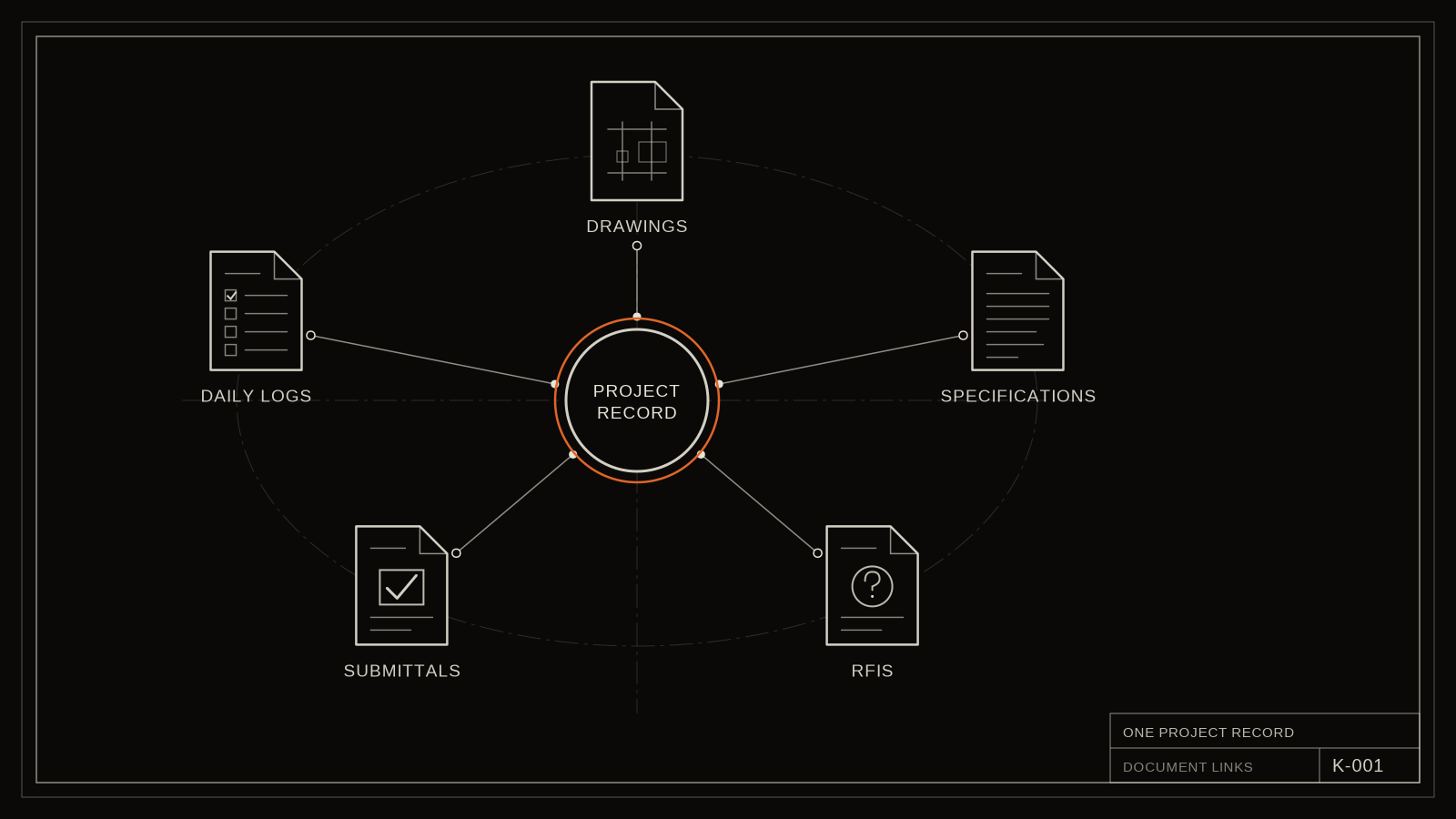
Struxen also has SI that reads the drawing set so you can search it, and a project record that holds the drawings, the specifications, and the RFIs together. Agents draft RFIs and check submittals against the spec. A person approves every draft. Nothing is sent without a person.
In the constructability review, SI agents work through the drawings the way a builder would and report what cannot be built as drawn. You receive findings, not a model. It shows each finding in the review where it happened, so a person can review it and decide. A person can accept the finding, dismiss it, or have an RFI drafted from it and edit the draft before anything is created.
The knowledge behind those checks is built from the field knowledge of working builders. The founder, Justin K Schaad, has over two decades in the trades. That is the point of view the review is built from: the person who has to construct what is on the sheet.
Struxen does not claim the review will find every error on every set. A run that returns no findings is the result of the checks that were run against the documents they read, not a clean bill of health.
If you want to use Struxen, or use the review on your project, request access.
For the software itself, see constructability review software.
An error is something that is drawn or specified wrongly, or that disagrees with another part of the set. An omission is information the field will need that is not there. Both become problems if they are found during construction instead of during the review.
No. Some of the expensive misses are not clashes. A gymnasium with no humidity control can have no conflict on the sheets and still be wrong for the room.
Software can read the set and draft findings. A person still has to review each one. In Struxen, nothing is sent without a person.
Choosing software
Constructability review software helps a general contractor find problems in the drawings before work starts. Here is what it is and how Struxen does it.
Choosing software
What general contractors need construction management software to hold, from the project record to a constructability review, and how Struxen is arranged.